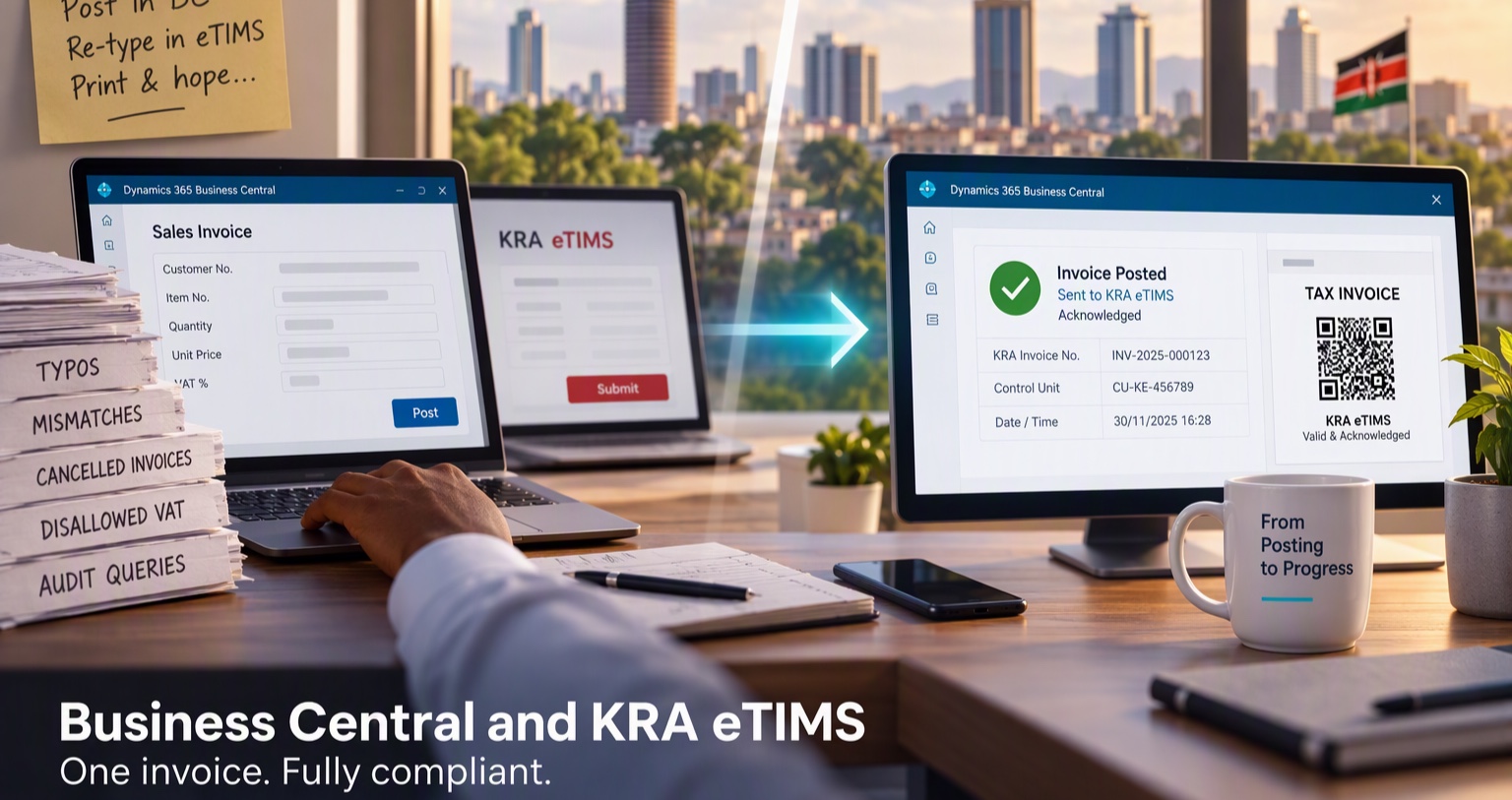
Implementing a new ERP system is a major milestone for any growing business. But choosing when to flip the switch is just as critical as choosing the right software.
We often see businesses in East Africa rush to go live right before their financial year-end, or right in the middle of a tax audit. The result is usually a stressed-out finance team, delayed statutory filings, and a rocky start to the new system.
At IpsumTek Consult Ltd, we help businesses plan their rollouts strategically. Here is a practical guide to timing your Business Central go-live so it supports your growth, rather than disrupting it.
1. The Danger of Year-End and Audit Seasons
Your financial year-end and your annual audit are the most demanding times for your finance team. They are focused on closing the books, reconciling accounts, and providing documentation to your auditors.
Introducing a new system during this period means your team has to learn new workflows while simultaneously trying to close the year. It also means your auditors have to understand your new system while trying to sign off on the old one.
Avoid the months immediately preceding and following your financial year-end. Let your team close the year in their familiar system, and start the new year fresh in Business Central.
2. Navigating KRA Deadlines
Tax compliance in Kenya requires strict adherence to deadlines. Whether it is monthly VAT returns, PAYE filings, or eTIMS submissions, the Kenya Revenue Authority (KRA) does not accept system migration delays as an excuse for late filing.
If your go-live date falls within the first two weeks of the month, your team will be distracted by learning the new system while trying to file VAT. If it falls right before an eTIMS reconciliation, the risk of data mismatch increases significantly.
Always map your implementation timeline against the KRA calendar. Aim to go live at least three weeks before a major filing deadline, giving your team time to adjust and verify that all tax codes and eTIMS integrations are working perfectly.
3. The Sweet Spot: When to Actually Go Live
So, when is the best time? For most Kenyan businesses, the ideal go-live window is during a period of relative operational calm.
- Mid-Quarter: Months like February, May, August, or November often have fewer statutory deadlines compared to the first or last month of a quarter.
- Post-Audit: Once your external auditors have signed off on the previous year’s accounts, the pressure is off. This is an excellent time to transition.
- After a Major Business Cycle: If you are in retail, avoid going live right before the December holiday rush. If you are in agriculture, avoid the peak harvest or planting seasons.
4. How to Plan the Transition
Timing is only half the battle. How you prepare your team matters just as much.
- Freeze Master Data: Two weeks before go-live, stop making major changes to your item, customer, and vendor lists.
- Run Parallel Processes (Briefly): For the first week, consider running critical reports in both the old and new systems to ensure accuracy.
- Have Support on Standby: Ensure your implementation partner, like IpsumTek Consult Ltd, has dedicated support staff available during your first week of live operations to troubleshoot issues immediately.
Conclusion
A successful ERP implementation is about managing change as much as it is about managing technology. By choosing a go-live date that respects your team’s operational calendar and statutory obligations, you set the project up for a smooth, confident start.
At IpsumTek Consult Ltd, we work with you to build a realistic, risk-aware implementation timeline that aligns with your specific business cycles and KRA deadlines. Contact us today at consult@ipsumtek.dev to start planning your Business Central rollout.